
As the search for a residential interior designer near me becomes a top priority, this introduction invites readers into a realm of expertise and creativity, promising an enlightening journey filled with valuable insights and innovative perspectives.
Delve into the world of residential interior design with us as we explore the key elements that make a space truly remarkable.
Importance of Hiring a Residential Interior Designer
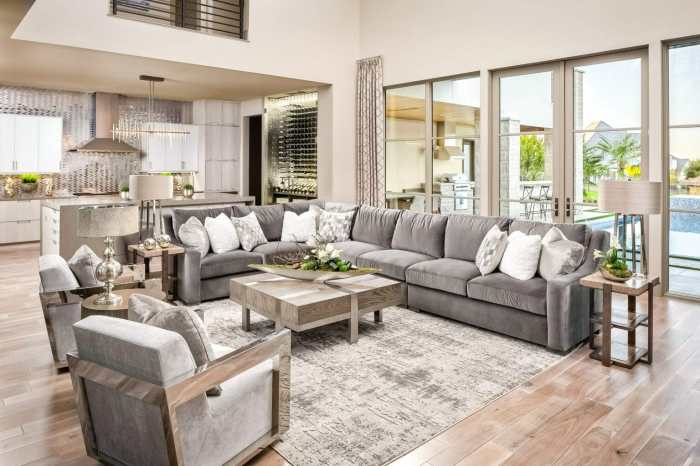
When it comes to designing your home, hiring a professional residential interior designer can make a significant difference in the outcome. Here are some reasons why working with a designer is important:
Enhancing Functionality and Aesthetics
A residential interior designer has the expertise to optimize the layout of your space, ensuring that it not only looks beautiful but also functions efficiently. From choosing the right furniture arrangement to maximizing storage solutions, a designer can transform your home into a practical and stylish living environment.
Time and Cost Savings
While it may seem like an added expense upfront, hiring a designer can actually save you time and money in the long run. Designers have access to a network of suppliers and contractors, allowing them to source materials at competitive prices and manage the project efficiently.
By avoiding costly mistakes and ensuring that the project stays on track, a designer can help you achieve your desired results within your budget.
When hiring a residential interior designer, it is crucial to consider certain key qualities that can make a significant impact on the outcome of your project. These qualities can help ensure that the designer you choose is capable of understanding your vision, communicating effectively, and delivering results that exceed your expectations.
Creativity
Creativity is essential for a residential interior designer as it allows them to think outside the box and come up with innovative solutions to design challenges. A creative designer can transform ordinary spaces into extraordinary ones by incorporating unique elements and design concepts that reflect your personal style and preferences.
Attention to Detail
Attention to detail is another crucial quality to look for in a residential interior designer. Designing a space involves numerous elements, from furniture placement to color schemes, and a designer with a keen eye for detail can ensure that every aspect of the design is carefully considered and executed flawlessly.
Communication Skills
Effective communication is key to a successful collaboration between you and your designer. A designer with strong communication skills will be able to listen to your ideas, provide feedback, and keep you informed throughout the design process. Clear communication ensures that both parties are on the same page and can avoid misunderstandings or delays.
Experience and Expertise
Experience and expertise play a significant role in the quality of work produced by a residential interior designer. An experienced designer will have a portfolio of past projects that demonstrate their skills and capabilities. Look for a designer who has worked on similar projects to yours and has a proven track record of delivering exceptional results.
Evaluating a Designer's Portfolio and Reviews
When considering a residential interior designer, take the time to review their portfolio and read client reviews. A designer's portfolio will give you an insight into their design style, creativity, and range of projects. Client reviews can provide valuable feedback on their communication, professionalism, and overall satisfaction with the designer's work.
By evaluating both the portfolio and reviews, you can make an informed decision when choosing a designer for your project.
Services Offered by Residential Interior Designers

Residential interior designers offer a range of services to help clients transform their living spaces into beautiful and functional areas that reflect their style and personality.
Space Planning
Residential interior designers excel in creating layouts that optimize the use of space in a home. They take into account the flow of the room, placement of furniture, and functionality to ensure that every inch of the space is utilized effectively.
Color Consultation
Choosing the right color scheme can completely change the look and feel of a room. Residential interior designers provide expertise in selecting colors that complement each other and create the desired ambiance in a space.
Furniture Selection
Selecting the right furniture pieces is crucial in achieving a cohesive and well-designed space. Interior designers help clients choose furniture that matches their style, fits the space perfectly, and meets their functional needs.
Working with a Designer
When working with a residential interior designer, the process typically begins with an initial consultation where the designer gets to know the client's preferences, needs, and budget. From there, the designer creates a design plan, presents concepts and ideas to the client, and oversees the implementation of the project until completion.
Tailored Services
Residential interior designers can tailor their services to meet the specific needs and preferences of clients. Whether a client is looking for a complete home makeover or just needs help with selecting paint colors, designers can adapt their expertise to fulfill the unique requirements of each project.
Factors to Consider When Choosing a Residential Interior Designer
When embarking on a home design project, selecting the right residential interior designer is key to achieving the desired outcome. Here are some factors to consider when making this important decision.
Budget
- Determine your budget for the project, and be transparent with the designer about your financial constraints.
- Ask for a detailed breakdown of costs and ensure that it aligns with your budget before moving forward.
Style Compatibility
- Evaluate the designer's portfolio to see if their style matches your aesthetic preferences.
- Discuss your design vision with the designer to ensure that they can bring your ideas to life while incorporating their expertise.
Project Timeline
- Clarify the expected timeline for the project and make sure it aligns with your schedule and deadlines.
- Ensure that the designer can deliver within the agreed-upon timeframe without compromising on quality.
Clear Communication
Establishing clear communication and expectations with the designer is crucial for a successful collaboration. Make sure to:
- Communicate openly about your preferences, needs, and any concerns you may have.
- Set regular check-ins to review progress and address any issues promptly.
Interviews and Site Visits
- Conduct interviews with multiple designers to compare their approach, experience, and compatibility with your project.
- Visit their previous project sites to assess the quality of their work and get a better sense of their design style.
Last Recap
In conclusion, the quest for the perfect residential interior designer near me is an exciting endeavor that promises to transform your living space into a work of art. Embrace the possibilities and unlock the potential of your home with the right design partner by your side.
User Queries
What are the benefits of hiring a residential interior designer?
Hiring a professional designer can enhance both the functionality and aesthetics of your home, saving you time and costs in the long run.
How do you evaluate a designer's portfolio and reviews?
Look for creativity, attention to detail, and positive communication skills. Make sure to review past projects and client feedback to make an informed decision.
What are some common services offered by residential interior designers?
Services may include space planning, color consultation, and furniture selection tailored to meet your specific needs and preferences.
What factors should I consider when choosing a residential interior designer?
Consider your budget, style compatibility, and project timeline. Establish clear communication and expectations with your designer to ensure a successful collaboration.