
Embark on a journey through the world of bathroom interior renovation cost, where we unravel the key factors, materials, labor costs, and budgeting tips to help you navigate this essential home improvement process.
Cost Factors
When it comes to renovating a bathroom interior, there are several key cost factors to consider. These factors can significantly impact the overall expense of the project and should be carefully evaluated before starting the renovation.
Materials Used
The materials used in the renovation play a crucial role in determining the cost. High-end materials such as marble, granite, or custom-made cabinetry will naturally drive up the expenses. On the other hand, opting for more affordable materials like ceramic tiles or laminate countertops can help reduce costs without compromising on quality.
Labor Costs
Labor costs are another major component of the overall expense of a bathroom interior renovation. The cost of hiring skilled professionals such as plumbers, electricians, and contractors can vary depending on their experience and location. Additionally, the complexity of the renovation project, such as moving plumbing lines or installing intricate tile patterns, can also impact labor costs significantly.
Materials and Finishes
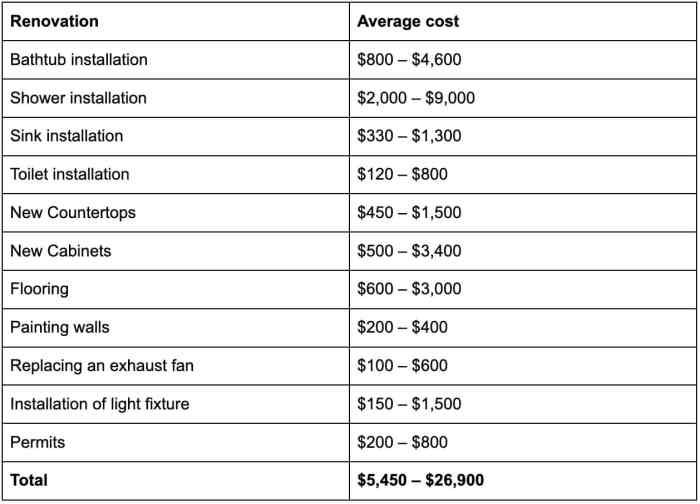
When it comes to bathroom interior renovations, choosing the right materials and finishes can significantly impact the overall cost of the project. Different materials have varying costs and durability, so it's essential to understand the pros and cons of each option before making a decision.
Types of Materials
- Ceramic Tiles: Ceramic tiles are a popular choice for bathroom walls and floors due to their durability and water resistance. They come in a variety of designs and are relatively cost-effective.
- Marble: Marble is a luxurious and elegant option for bathroom finishes, but it comes with a higher price tag. It adds a touch of sophistication to the space but may require more maintenance.
- Laminate: Laminate is a budget-friendly option that can mimic the look of more expensive materials like wood or stone. It is easy to clean and maintain but may not be as durable as other options.
- Porcelain: Porcelain tiles are durable and water-resistant, making them a practical choice for bathroom renovations. They are available in various styles and are relatively cost-effective.
Impact of Fixtures and Fittings
- Faucets and Showerheads: The choice of faucets and showerheads can vary in price depending on the brand and quality. Opting for high-end fixtures can significantly increase the overall cost of the renovation.
- Vanity and Countertops: Choosing a vanity with high-quality materials like quartz or granite can add to the cost of the renovation. However, investing in durable materials can increase the longevity of the bathroom fixtures.
- Toilets and Bathtubs: Upgrading to a modern and efficient toilet or bathtub can also impact the overall cost. Features like water-saving mechanisms or jet systems may come at an additional cost.
Labor Costs
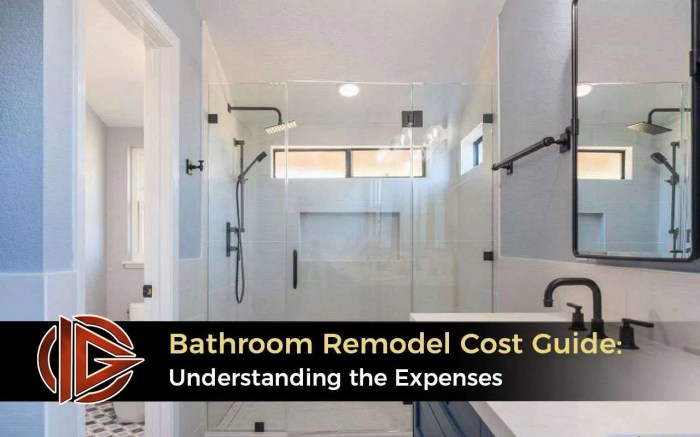
When it comes to bathroom interior renovation, labor costs play a significant role in the overall budget. The type of labor required, the complexity of the project, and the decision to hire professionals or opt for a DIY approach can all impact the final cost of the renovation.
Types of Labor and Costs
- Plumber: Plumbers are essential for installing or moving plumbing fixtures such as sinks, toilets, and showers. On average, plumbers charge between $45 to $150 per hour.
- Electrician: Electricians handle the installation of lighting, outlets, and exhaust fans in the bathroom. Their rates typically range from $50 to $100 per hour.
- Carpenter: Carpenters are needed for tasks like installing cabinetry, shelves, and vanities. Their hourly rates can vary from $20 to $70.
- Tiler: Tilers are responsible for laying tiles on the floor and walls of the bathroom. They usually charge around $25 to $75 per hour.
- Painter: Painters are needed to paint the walls and ceilings of the bathroom. Their rates can fall between $25 to $70 per hour.
Complexity and Labor Costs
The complexity of a bathroom renovation project can significantly impact labor costs. Projects that involve intricate designs, custom installations, or structural changes will require more labor hours, thus increasing the overall cost of the renovation.
Hiring Professionals vs. DIY
While opting for a DIY approach may seem cost-effective initially, it is essential to consider the expertise and time required for a successful renovation. Hiring professionals ensures quality workmanship, timely completion, and adherence to building codes, but it comes at a higher cost.
DIY projects may save on labor costs but can lead to mistakes, delays, and additional expenses in the long run.
Budgeting Tips
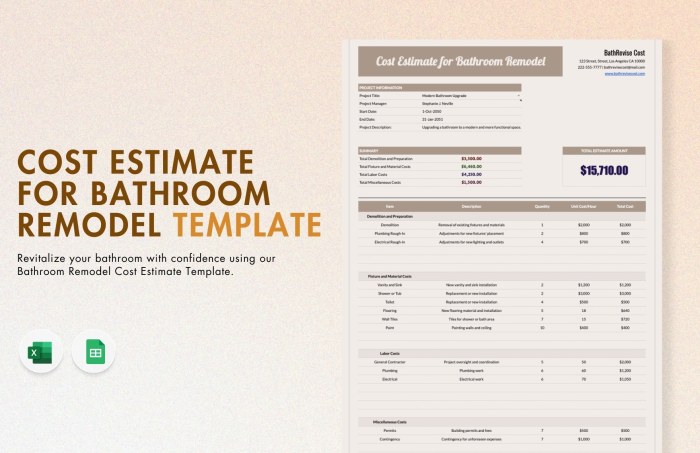
When it comes to renovating your bathroom, effective budgeting is key to ensuring a successful project. By following some tips and strategies, you can prioritize expenses, save costs, and still achieve a high-quality renovation within your budget.
Prioritize Essential Expenses
- Start by identifying the essential components of your bathroom renovation, such as plumbing, electrical work, and structural changes. Allocate a significant portion of your budget to these critical areas to ensure they are done correctly and safely.
- Consider investing in durable and long-lasting materials for items that get heavy daily use, like the vanity, flooring, and fixtures. Quality materials may cost more upfront but can save you money in the long run by reducing the need for frequent repairs or replacements.
Save Costs Without Compromising Quality
- Look for cost-effective alternatives for materials and finishes that still offer durability and aesthetics. For example, consider using porcelain tiles instead of marble for a similar look at a fraction of the cost.
- Reuse and repurpose existing fixtures or furniture in your bathroom if they are in good condition. Refinishing a vanity or bathtub can give them a fresh new look without the expense of buying new.
- Shop around for deals on materials and appliances, and consider purchasing items on sale or during clearance events to save money. Planning ahead and waiting for discounts can help you stay within budget.
Conclusion

In conclusion, understanding the intricacies of bathroom interior renovation cost empowers you to make informed decisions, prioritize expenses effectively, and achieve your desired design within budget constraints. Dive into your renovation project with confidence armed with the knowledge shared in this comprehensive guide.
FAQ Summary
What are some key cost factors in bathroom interior renovation?
Key cost factors include materials, labor, fixtures, fittings, and the complexity of the project.
How can I save costs on a bathroom renovation without compromising quality?
You can save costs by opting for cost-effective materials, prioritizing essential expenses, and exploring DIY options for certain tasks.
What types of labor are involved in a bathroom interior renovation?
Labor types include plumbing, electrical work, tiling, carpentry, and general construction labor. Each type comes with its own cost implications.
How do materials like tiles, marble, and laminate impact the cost of a bathroom renovation?
Tiles are usually cost-effective, marble is luxurious but pricey, and laminate offers a budget-friendly alternative. Your choice can significantly influence the overall renovation cost.