
Exploring the realm of kitchen interior remodeling cost, this article aims to provide a detailed insight into the various factors that influence the expenses involved. From materials to labor costs, we delve into the nitty-gritty details that affect your budget when renovating your kitchen.
As we journey through the breakdown of average costs, strategies to cut down expenses, and hidden costs to watch out for, you'll gain a better understanding of how to approach your kitchen remodeling project with financial savvy.
Factors influencing kitchen interior remodeling cost
When it comes to remodeling a kitchen, there are several key factors that can influence the total cost of the project. Factors such as materials, labor, design choices, size of the kitchen, and extent of renovation all play a significant role in determining the overall cost.
Materials
The materials used in the remodeling process can greatly impact the cost. High-end materials such as granite countertops, custom cabinets, and luxury flooring options can significantly increase the overall cost. On the other hand, opting for budget-friendly materials like laminate countertops, stock cabinets, and vinyl flooring can help reduce expenses.
Labor
Labor costs are another crucial factor to consider when estimating the total cost of kitchen remodeling. Skilled laborers, such as carpenters, plumbers, and electricians, will charge higher rates for their expertise. The complexity of the project and the time required for completion will also influence the labor costs.
Design Choices
The design choices made during the remodeling process can have a significant impact on the overall cost. Customized features, intricate details, and unique design elements will come at a higher price tag compared to simpler, more standard options. It is essential to balance aesthetics with budget constraints when making design choices.
Size and Extent of Renovation
The size of the kitchen and the extent of renovation needed will directly affect the cost of the project. A larger kitchen will require more materials and labor, resulting in higher expenses. Similarly, extensive renovations involving structural changes, plumbing or electrical work, and major upgrades will add to the overall cost.
Average cost breakdown for kitchen interior remodeling
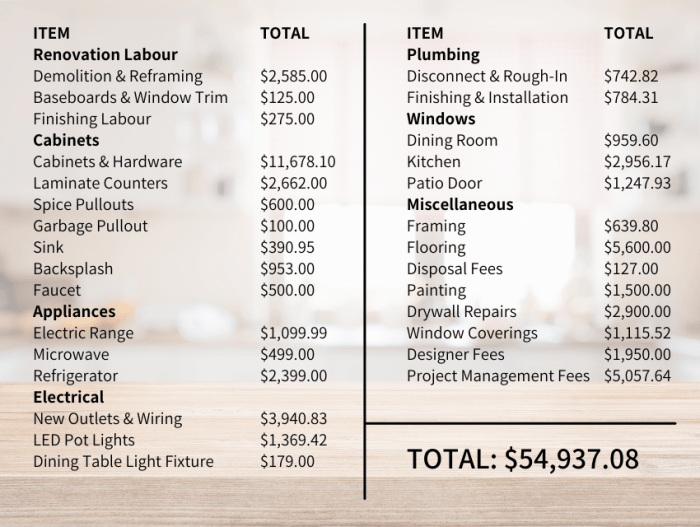
When planning a kitchen interior remodeling project, it's essential to understand the average cost breakdown to budget effectively and make informed decisions. Various elements contribute to the overall cost, including cabinets, countertops, flooring, appliances, and labor. Let's delve into the details of each component to get a comprehensive overview.
Cabinets
Cabinets are a significant part of any kitchen remodel, accounting for a substantial portion of the budget. The cost of cabinets can vary widely based on the material, design, and size. On average, homeowners can expect to spend between $5,000 to $15,000 for new cabinets, including installation.
Countertops
Countertops are another crucial aspect of kitchen remodeling, adding both functionality and aesthetics to the space. The cost of countertops varies depending on the material chosen, such as granite, quartz, or laminate. On average, homeowners can budget around $2,000 to $6,000 for new countertops, including installation.
Flooring
The choice of flooring can significantly impact the overall cost of a kitchen remodel. Whether opting for hardwood, tile, or laminate flooring, the cost can range from $1,000 to $5,000, including installation. Factors such as the size of the kitchen and the complexity of the installation can influence the final cost.
Appliances
Upgrading kitchen appliances is often a crucial part of a remodel, adding both functionality and energy efficiency to the space. The cost of appliances can vary based on the brand, features, and quantity needed. On average, homeowners can expect to spend between $3,000 to $8,000 for a set of new appliances.
Labor Costs
Labor costs play a significant role in the overall budget of a kitchen remodel. The cost of labor can vary depending on factors such as the complexity of the project, location, and contractor rates. On average, homeowners should budget around 20% to 35% of the total project cost for labor expenses.
Strategies to reduce kitchen interior remodeling costs
When looking to remodel your kitchen on a budget, there are several strategies you can implement to lower costs without compromising on quality or style. By being strategic in your approach, you can achieve a beautiful kitchen transformation while staying within your financial limitations.
Refurbish existing elements
Instead of completely replacing all elements in your kitchen, consider refurbishing existing elements to save on costs. For example, painting or refinishing cabinets can give them a fresh new look without the expense of buying new ones. Similarly, updating hardware, such as handles and knobs, can make a big impact at a fraction of the cost of replacing cabinets altogether.
Cost-effective alternatives for premium materials
If you have your heart set on premium materials but they are out of your budget, consider exploring cost-effective alternatives that mimic the look of luxury materials. For instance, laminate countertops can resemble the appearance of marble or quartz at a fraction of the cost.
Additionally, luxury vinyl flooring can replicate the look of hardwood or stone flooring without the high price tag.
Priority renovations
When working with a limited budget, it's essential to prioritize renovations based on what will make the most significant impact on the overall look and functionality of your kitchen. Focus on essential upgrades such as lighting fixtures, backsplash, and countertops, as these elements can greatly enhance the aesthetics of your kitchen without breaking the bank.
By prioritizing key renovations, you can allocate your budget effectively and achieve a stylish kitchen makeover within your financial constraints.
Hidden costs to consider during kitchen interior remodeling
When planning a kitchen interior remodeling project, it's essential to consider not only the obvious costs but also the hidden expenses that can arise along the way. These hidden costs can significantly impact your budget if not properly accounted for, leading to unexpected financial strain.
By being aware of these potential expenses and planning for contingencies, homeowners can better prepare for a smoother renovation process.
Structural Repairs
One common hidden cost during kitchen remodeling is the need for structural repairs. When walls are opened up or cabinets are removed, underlying issues such as water damage, rot, or mold may be uncovered. Addressing these structural issues is crucial for the overall integrity of the space but can add unforeseen expenses to the project.
Permit Fees and Regulations
Another hidden cost to consider is permit fees and compliance with building regulations. Depending on the scope of your remodel, you may need to obtain permits from local authorities, which come with associated fees. Failure to comply with building codes can result in fines or the need to redo work, adding to the overall cost of the project.
Material Upgrades
While you may have budgeted for certain materials for your kitchen remodel, you may encounter unforeseen circumstances that require upgrades. For example, if the initial materials selected are out of stock or discontinued, you may need to choose more expensive alternatives.
These material upgrades can impact your budget, so it's important to be prepared for such changes.
Labor Costs
Hidden labor costs can also arise during a kitchen remodel. Delays in the project timeline, overtime work, or unexpected complications can lead to additional labor expenses that were not initially budgeted for. It's essential to work with a reputable contractor who can provide a detailed breakdown of labor costs and potential contingencies.
Epilogue
In conclusion, understanding the costs associated with kitchen interior remodeling is crucial for any homeowner embarking on such a project. By being aware of the key factors and hidden expenses, you can better plan and budget for a successful renovation that brings your dream kitchen to life.
Quick FAQs
What factors contribute to the cost of kitchen interior remodeling?
The key factors include materials used, labor costs, design choices, kitchen size, and the extent of renovation.
How can homeowners reduce kitchen remodeling costs?
Homeowners can reduce costs by refurbishing existing elements, opting for cost-effective materials, and prioritizing renovations within their budget.
What are some hidden costs to consider during kitchen remodeling?
Hidden costs may include structural repairs, permit fees, and unexpected expenses that can impact the overall project budget.