
Delve into the world of smart home interior design where technology seamlessly merges with aesthetics, creating a modern and functional living space. This captivating journey explores the innovative ways in which smart devices elevate the ambiance and sustainability of your home.
Let's dive deeper into the realm of smart home interior design to discover how to personalize your living space while embracing the latest technological advancements.
Introduction to Smart Home Interior Design
Smart home interior design is the integration of technology into the design and decor of living spaces. It involves incorporating smart devices and systems to enhance the functionality, convenience, and aesthetics of a home.
Importance of Technology in Home Decor
Incorporating technology into home decor is essential in today's modern world. It allows for greater control and automation of various aspects of the home, creating a more comfortable and efficient living environment.
- Smart devices can help in energy conservation by regulating heating, lighting, and other systems based on occupancy and weather conditions.
- They can also increase home security through features like smart locks, cameras, and sensors.
- Technology can enhance entertainment experiences with smart TVs, sound systems, and other multimedia devices.
Integration of Smart Devices
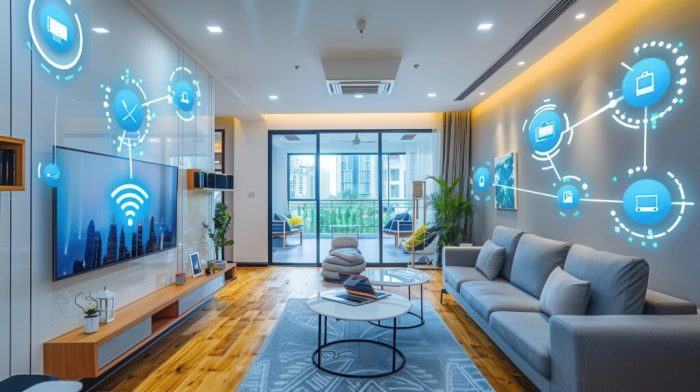
Smart devices play a crucial role in modern interior design, offering convenience, efficiency, and enhanced functionality to living spaces.
Smart Lighting Systems
Smart lighting systems are a popular choice for creating ambiance in different rooms. These systems allow users to adjust the brightness, color, and even scheduling of lights to suit their preferences and mood. For example, warm dimmable lights can be used in the living room for a cozy atmosphere, while bright white lights may be preferred in the kitchen for better visibility during cooking.
Benefits of Smart Speakers or Voice-Controlled Assistants
- Hands-free control: Smart speakers or voice-controlled assistants like Amazon Alexa or Google Assistant enable users to control various aspects of their home, such as lighting, music, and temperature, simply by using voice commands.
- Integration with other smart devices: These devices can be integrated with other smart home devices, allowing for seamless automation and coordination. For example, you can set up routines where saying "good night" turns off all lights, locks doors, and adjusts the thermostat.
- Access to information: Smart speakers provide access to a wide range of information, from weather updates to recipe instructions, making them versatile tools for everyday use.
Sustainable and Eco-Friendly Design
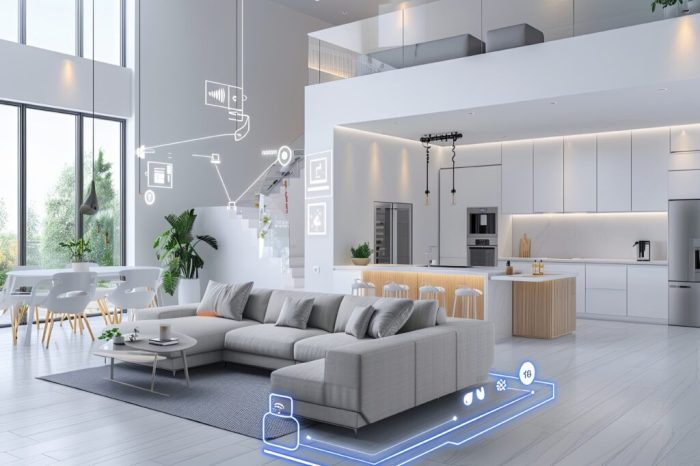
Smart home interior design plays a crucial role in promoting sustainability and eco-friendliness. By integrating smart devices and utilizing eco-friendly materials, homeowners can reduce their environmental impact and create a healthier living space.
Incorporating Eco-Friendly Materials
Using sustainable materials such as bamboo, reclaimed wood, recycled glass, and low-VOC paints can significantly reduce the carbon footprint of a home. These materials are not only environmentally friendly but also add a unique and stylish touch to the interior design.
- Opt for furniture made from recycled or upcycled materials to reduce waste and promote sustainability.
- Choose energy-efficient appliances that are certified by programs like Energy Star to lower energy consumption and utility costs.
- Install smart thermostats and lighting systems that can be controlled remotely to minimize energy waste.
Impact on Environment and Well-Being
The use of sustainable and eco-friendly design practices in smart homes has a positive impact on both the environment and the well-being of occupants
Additionally, eco-friendly materials are often non-toxic and promote better indoor air quality, leading to improved health and well-being.
Aesthetic Appeal and Decor
When it comes to smart home interior design, the aesthetic appeal and decor play a crucial role in creating a harmonious living space that seamlessly integrates technology. By blending smart devices with different decor styles, you can achieve a balance between functionality and aesthetics, enhancing the overall look and feel of your home.
Trends in Smart Home Decor
Smart home decor trends are constantly evolving, with a focus on creating sleek and modern designs that incorporate the latest technology. From minimalist and Scandinavian styles to industrial and bohemian aesthetics, there are endless possibilities for infusing smart devices into your home decor.
Blending Technology with Different Decor Styles
- Industrial Style: Incorporate smart devices with metal accents and exposed pipes for a modern industrial look.
- Minimalist Design: Opt for sleek and streamlined smart devices that complement the clean lines and neutral colors of minimalist decor.
- Scandinavian Vibes: Choose smart devices with a minimalist design and natural materials to enhance the cozy and functional appeal of Scandinavian decor.
- Bohemian Flair: Mix and match colorful smart devices with eclectic decor pieces to create a bohemian-inspired living space full of personality.
Functionality vs. Aesthetics in Smart Home Design
While functionality is key in smart home design, it is equally important to prioritize aesthetics to ensure a visually appealing and cohesive interior. Finding a balance between the two allows you to create a space that not only meets your technological needs but also reflects your personal style and design preferences.
Personalization and Customization
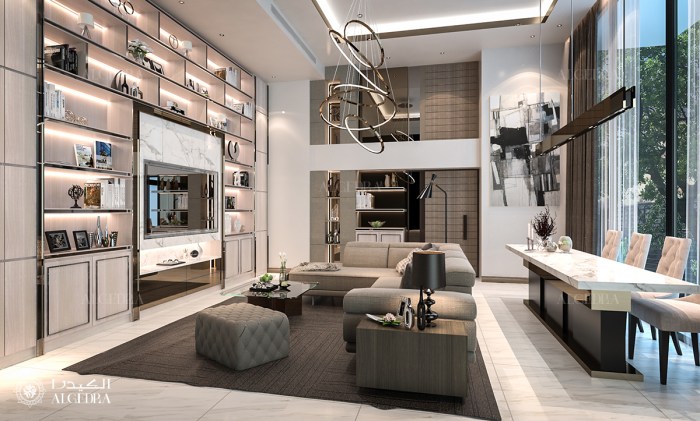
Personalization and customization are key aspects of smart home interior design, allowing individuals to tailor their living spaces to their specific preferences and needs. Smart home technology enables a high level of customization, creating unique experiences for each homeowner.
Tailoring Smart Devices
Customizing smart devices goes beyond just changing settings; it involves creating personalized routines, setting up specific voice commands, and integrating devices seamlessly into daily life. For example, setting up smart lighting to mimic natural sunlight patterns can enhance productivity and mood, while adjusting smart thermostats based on individual schedules can optimize energy efficiency.
Creating Unique Spaces
The importance of creating a unique and tailored smart home interior cannot be overstated. From choosing smart devices that match the overall aesthetic of the space to programming personalized scenes for different activities, customization allows homeowners to truly make their living environment their own.
By incorporating personal touches and preferences into the design, smart homes become more than just technologically advanced – they become an extension of the homeowner's lifestyle and personality.
Closure
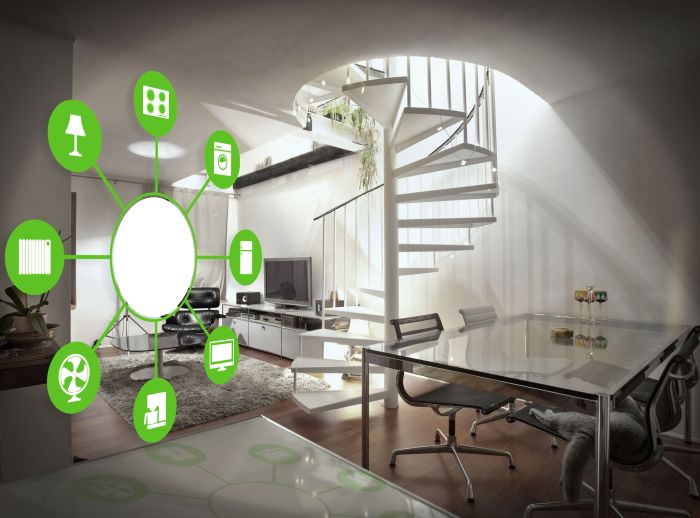
As we conclude our exploration of smart home interior design, it's evident that blending technology with design not only enhances the aesthetic appeal of a space but also contributes to a sustainable and personalized living experience. Embrace the future of home decor with smart solutions that cater to both style and functionality.
Detailed FAQs
How can smart home interior design enhance sustainability?
Smart home design promotes sustainability by integrating energy-efficient appliances and eco-friendly materials, reducing environmental impact.
What are some examples of smart devices used in interior design?
Smart lighting systems, voice-controlled assistants, and automated thermostats are examples of devices enhancing home interiors.
Why is personalization important in smart home technology?
Personalization allows for tailored experiences, ensuring smart devices cater to individual preferences and needs.