
Embark on a journey into the world of living room interior design with our comprehensive guide focusing on the role of a living room interior designer, key design elements, furniture selection, color schemes, lighting, textures, fabrics, and accessories. Dive in to discover how to create a functional and aesthetically pleasing living room that reflects your style and personality.
Overview of Living Room Interior Design
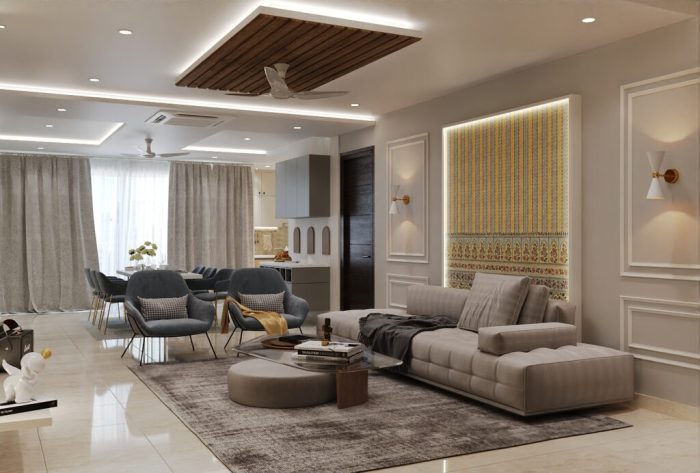
Living room interior designers play a crucial role in transforming a space into a functional and visually appealing area where individuals can relax, entertain guests, and spend quality time with their loved ones.
Interior design is essential in creating a living room that not only reflects the homeowner's personal style but also maximizes the use of space, enhances comfort, and promotes a harmonious atmosphere. A well-designed living room can significantly impact the overall ambiance of a home and improve the quality of life for its occupants.
Key Elements to Consider in Living Room Interior Design
- Space Planning: Efficiently arranging furniture and decor to optimize the layout and flow of the room.
- Color Palette: Selecting colors that complement each other and create the desired mood or ambiance.
- Lighting: Incorporating various lighting sources to enhance the functionality and aesthetics of the space.
- Furniture Selection: Choosing furniture pieces that are both stylish and comfortable, considering the scale and proportion of the room.
- Texture and Patterns: Introducing different textures and patterns to add depth and visual interest to the living room.
- Accessories and Decor: Adding personal touches through accessories such as artwork, rugs, and decorative items to create a cohesive look.
Furniture Selection and Arrangement
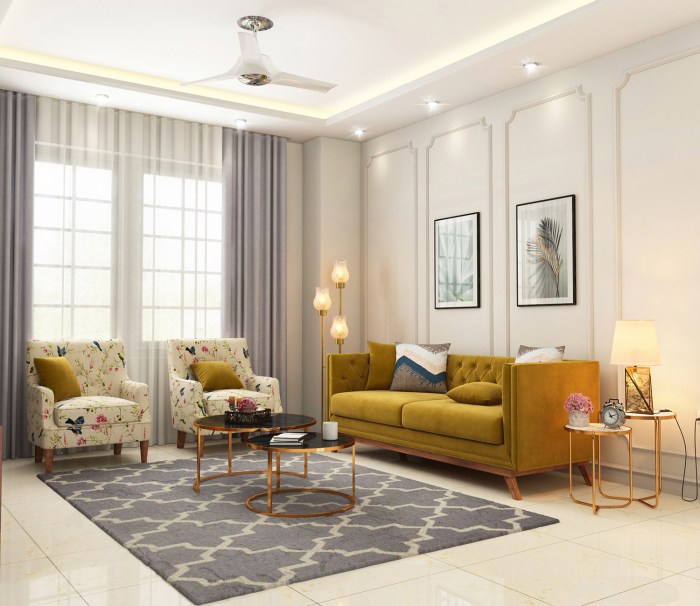
When it comes to designing a living room, selecting the right furniture pieces and arranging them properly can make a significant impact on the overall look and feel of the space. Here are some tips to help you choose the right furniture and arrange it effectively.
Selecting the Right Furniture
- Consider the size of your living room: Measure the dimensions of your living room to ensure that the furniture pieces you choose fit comfortably in the space without overcrowding it.
- Choose a cohesive style: Select furniture pieces that complement each other in terms of style, color, and design to create a cohesive look in the room.
- Focus on comfort: Opt for furniture that not only looks good but is also comfortable and functional for everyday use.
- Quality over quantity: Invest in high-quality furniture pieces that are durable and will stand the test of time, rather than purchasing a large quantity of cheap, disposable items.
Arranging Furniture Effectively
- Create a focal point: Arrange your furniture around a focal point, such as a fireplace, TV, or piece of artwork, to anchor the room and create a sense of balance.
- Consider traffic flow: Arrange your furniture in a way that allows for easy movement throughout the room and clear pathways between seating areas.
- Balance the layout: Distribute furniture evenly throughout the room to create a balanced and harmonious arrangement, avoiding overcrowding in one area.
- Use area rugs: Incorporate area rugs to define separate seating areas and add warmth and texture to the space.
Color Scheme and Lighting
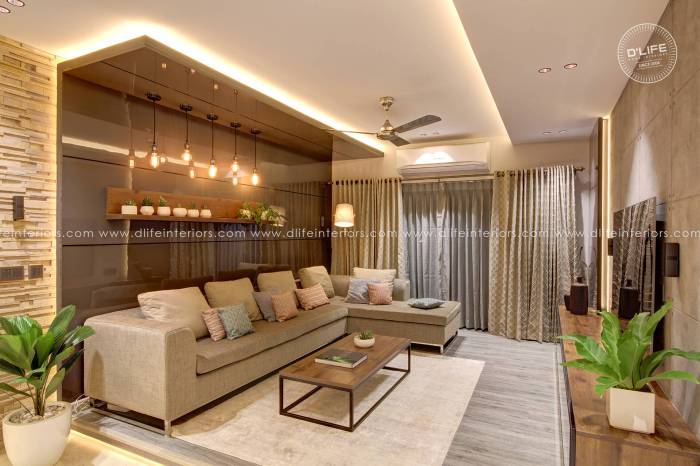
When it comes to designing a living room, the color scheme and lighting play a crucial role in setting the ambiance and enhancing the overall look and feel of the space. The right combination of colors and proper lighting can transform a dull room into a cozy and inviting one.
Selecting a Color Scheme
Choosing the perfect color scheme for your living room is essential to create the desired atmosphere. Consider factors such as the size of the room, natural light available, and the overall theme you want to achieve
Role of Lighting
Lighting is a key element in interior design as it not only illuminates the space but also sets the mood and highlights the decor. Natural light is always the best option, so make sure to maximize it by using sheer curtains or blinds.
For artificial lighting, a combination of ambient, task, and accent lighting can create a layered effect and enhance the functionality of the living room.
Different Lighting Fixtures
- Chandeliers: These elegant fixtures can add a touch of sophistication and serve as a focal point in the room.
- Recessed Lighting: Ideal for providing ambient light without taking up space, recessed lights can be used to highlight specific areas in the living room.
- Floor Lamps: Perfect for adding task lighting and creating a cozy reading nook, floor lamps come in various styles and designs to complement your decor.
- Wall Sconces: These fixtures can add a decorative element to the walls while providing ambient or accent lighting, depending on the placement.
Textures, Fabrics, and Accessories
When it comes to designing a living room, textures, fabrics, and accessories play a crucial role in adding depth, interest, and personality to the space. These elements can enhance the overall look and feel of the room, creating a cozy and inviting atmosphere for both residents and guests.
How Textures and Fabrics Add Depth and Interest
Textures and fabrics can create visual interest and tactile sensations in a living room design. By incorporating a variety of textures such as plush rugs, smooth leather furniture, soft velvet throw pillows, and cozy knit blankets, you can add layers of depth to the space.
Fabrics like linen, cotton, silk, and wool can also contribute to the overall aesthetic by providing a mix of colors, patterns, and tactile experiences.
Selecting the Right Accessories
- Choose accessories that complement the existing color scheme and style of the room. For example, if you have a neutral color palette, opt for accessories in bold hues to create a striking contrast.
- Consider the scale and proportion of accessories to ensure they don't overwhelm or clutter the space. Select a few statement pieces rather than overcrowding the room with small knick-knacks.
- Personalize the space with meaningful accessories such as family photos, artwork, or travel souvenirs that reflect your personality and interests.
Importance of Balancing Textures, Fabrics, and Accessories
Creating a cohesive look in a living room design involves balancing textures, fabrics, and accessories harmoniously. Too many textures or fabrics can make the space feel overwhelming, while a lack of variety can result in a dull and uninspired room.
Accessories should be strategically placed to draw the eye and create focal points without overshadowing the rest of the decor. By striking the right balance, you can achieve a well-curated and visually appealing living room that reflects your personal style.
Epilogue
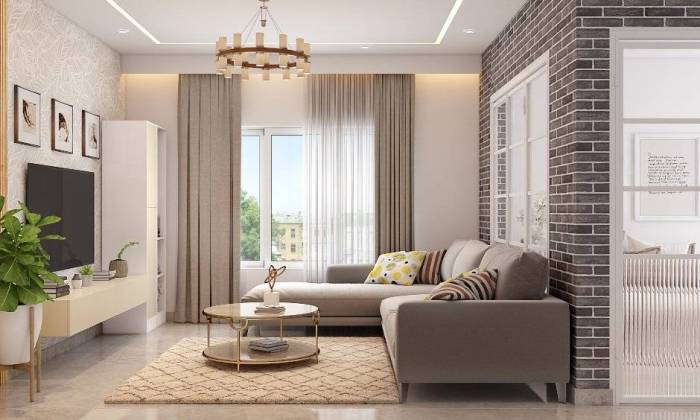
In conclusion, by understanding the importance of interior design in your living space, you can transform it into a welcoming and visually appealing area. With the right furniture, color schemes, lighting, and accessories, you can create a harmonious living room that truly feels like home.
Start your design journey today and make your living room a reflection of your unique taste and lifestyle.
Q&A
How do I choose the right furniture for my living room?
Consider the size of your living room, your personal style, and the functionality you need. Opt for pieces that are both practical and visually appealing.
What role does lighting play in a living room interior design?
Lighting can enhance the mood, functionality, and overall ambiance of a living room. It is essential to have a mix of ambient, task, and accent lighting for a well-rounded design.
Why is it important to balance textures, fabrics, and accessories in a living room?
Balancing these elements ensures a cohesive look and adds depth and interest to your living room design. It prevents the space from feeling overwhelming or disjointed.