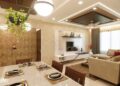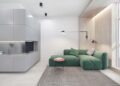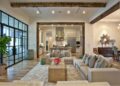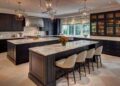

Embark on a journey of minimalist interior design ideas that focus on simplicity, clean lines, and functionality. Dive into the world of clutter-free spaces and sleek aesthetics that redefine modern living.
Discover how color palettes, furniture choices, and lighting play pivotal roles in creating the perfect minimalist oasis within your home.
Overview of Minimalist Interior Design
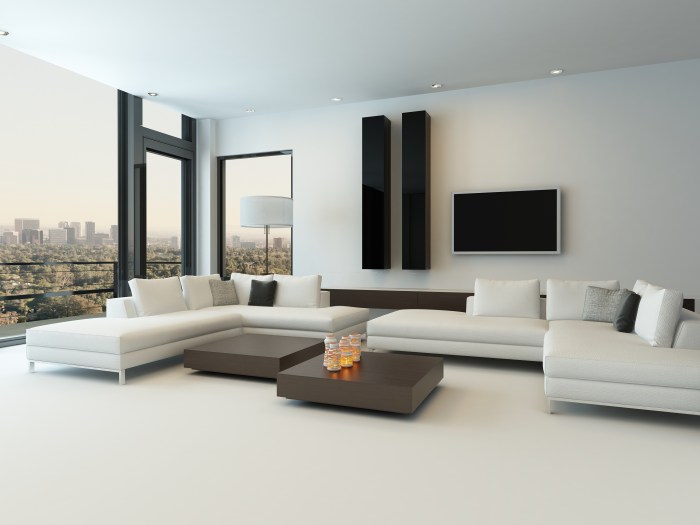
Minimalist interior design is characterized by simplicity, clean lines, and a clutter-free environment. It focuses on the essentials, eliminating unnecessary elements to create a sense of calm and order in a space.
Core Principles of Minimalist Interior Design
- Minimalism emphasizes simplicity and functionality, prioritizing the use of only essential items in a space.
- Clean lines and a neutral color palette are key features of minimalist design, creating a sense of harmony and balance.
- Minimalist interiors often incorporate natural light and open spaces to enhance the feeling of serenity and openness.
- Decluttering is essential in minimalist design, with a focus on organizing and storing items out of sight to maintain a clean and streamlined look.
Importance of Functionality and Minimalism
Functionality and minimalism go hand in hand in interior spaces, as they promote efficiency and purposeful design. By focusing on the essentials and eliminating excess, minimalist interiors can enhance productivity and create a peaceful environment for living or working.
Color Palette and Materials
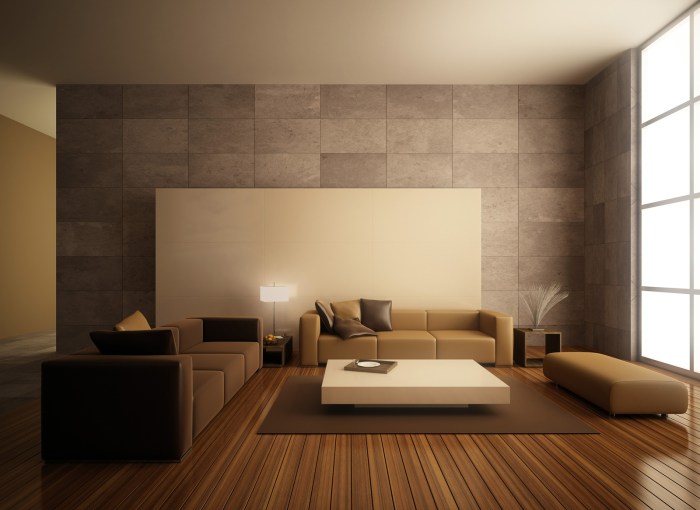
In minimalist interior design, the color palette and materials play a crucial role in creating a clean and serene space. The choice of colors and materials can greatly impact the overall aesthetic of a minimalist room.
Common Color Palettes
Common color palettes used in minimalist interior design often revolve around neutral tones and monochromatic schemes. These colors include whites, creams, beiges, grays, and blacks. By sticking to these understated hues, the focus is placed on form, texture, and light within the space.
Materials in Minimalist Design
Materials frequently used in minimalist design include natural wood, metal, and glass. Natural wood adds warmth and texture to the space, while metal provides a sleek and modern touch. Glass is often incorporated to bring in light and create a sense of openness.
Impact of Colors and Materials
The choice of colors and materials in minimalist interior design can drastically influence the mood and feel of a space. Lighter colors like white and pale neutrals can make a room feel larger and more spacious, while darker hues can add depth and coziness.
Similarly, the use of materials like wood can bring in a sense of nature and organic beauty, enhancing the overall tranquility of a minimalist room.
Furniture and Layout
When it comes to minimalist interior design, furniture and layout play a crucial role in creating a clean, uncluttered, and harmonious space. The right furniture pieces and the way they are arranged can significantly impact the overall look and feel of a minimalist room.
Key Furniture Pieces for Minimalist Design
Essential furniture pieces for achieving a minimalist look include sleek sofas, clean-lined armchairs, minimalist coffee tables, and storage solutions that are both functional and aesthetically pleasing. Opt for furniture with simple and streamlined designs, free from unnecessary embellishments or details.
Importance of Space Planning and Layout
Space planning is crucial in minimalist interior design as it involves carefully considering the arrangement of furniture to optimize space and create a sense of openness. The layout should prioritize functionality, flow, and balance while maintaining a minimalist aesthetic. By strategically placing furniture and considering negative space, you can achieve a clean and sophisticated look in your minimalist space.
Lighting and Accessories
When it comes to minimalist interior design, lighting and accessories play a crucial role in enhancing the overall look and feel of a space. Proper lighting can highlight the simplicity and elegance of minimalist design, while carefully chosen accessories can add subtle touches without creating clutter.
Lighting Fixtures for Minimalist Design
Incorporating different lighting fixtures can greatly complement a minimalist design. Here are some ideas:
- Recessed Lighting: Recessed lights can create a clean and streamlined look by providing ambient lighting without taking up visual space.
- Pendant Lights: Pendant lights can add a touch of sophistication and style to a minimalist space, serving as both functional lighting and decorative elements.
- Track Lighting: Track lighting allows for flexibility in highlighting specific areas or objects in a minimalist room, contributing to a well-balanced and well-lit environment.
Role of Accessories in Minimalist Interior Design
Accessories are key in adding personality and warmth to a minimalist interior. Here's how you can incorporate accessories effectively:
- Minimalist Artwork: Choose simple and understated artwork that complements the clean lines and neutral color palette of minimalist design.
- Textiles: Soft textiles like throw pillows, rugs, and curtains can introduce texture and comfort to a minimalist space without overpowering the simplicity of the design.
- Plants: Adding a touch of greenery with plants can bring life and freshness to a minimalist room, creating a sense of tranquility and harmony.
Closure
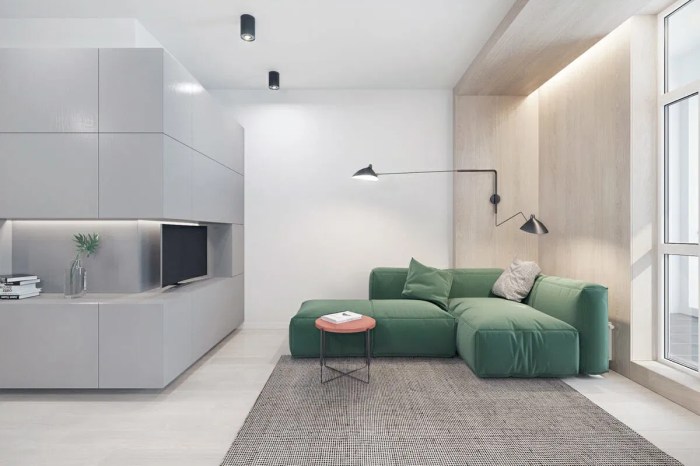
In conclusion, minimalist interior design offers a refreshing perspective on living spaces by emphasizing simplicity and purposeful design. Elevate your home with minimalist touches that exude elegance and tranquility.
FAQ Guide
What are the core principles of minimalist interior design?
Minimalist interior design revolves around simplicity, clean lines, and a clutter-free environment to create a harmonious space.
How does furniture contribute to minimalist interior design?
Furniture plays a crucial role by focusing on essential pieces like sleek sofas and minimalist coffee tables to maintain the minimalist aesthetic.
Why is lighting important in minimalist spaces?
Lighting enhances the atmosphere of a minimalist space and complements the design with fixtures like recessed lighting and pendant lights.