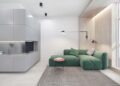

Exploring the world of virtual interior design services opens up a realm of possibilities for transforming living spaces in the digital age. From reimagining layouts to selecting the perfect color palettes, virtual interior design services offer a convenient and innovative approach to creating your dream home.
Let's delve into the details of this modern design solution.
Introduction to Virtual Interior Design Services
Virtual interior design services refer to the practice of designing and decorating interior spaces remotely, using digital tools and platforms to communicate with clients and deliver design concepts.
Compared to traditional interior design services where designers physically visit the space, virtual interior design services offer a more convenient and flexible approach for both designers and clients.
Differences between Virtual and Traditional Interior Design Services
Virtual interior design services eliminate the need for in-person meetings, allowing clients to collaborate with designers from anywhere in the world. This means that clients have access to a wider pool of design talent and can work with experts specialized in their specific needs.
Unlike traditional interior design services that may involve multiple site visits and lengthy design processes, virtual interior design services streamline the design process, making it more efficient and cost-effective for clients.
Benefits of Virtual Interior Design Services
- Convenience: Clients can receive professional design services without the need to schedule in-person meetings or disrupt their daily routines.
- Cost-Effective: Virtual interior design services often have lower fees compared to traditional services due to reduced overhead costs.
- Access to Global Talent: Clients have the opportunity to work with designers from around the world, bringing diverse perspectives and expertise to their projects.
- Efficient Communication: Digital platforms make it easy for clients and designers to communicate, share ideas, and track project progress in real-time.
Process of Virtual Interior Design Services
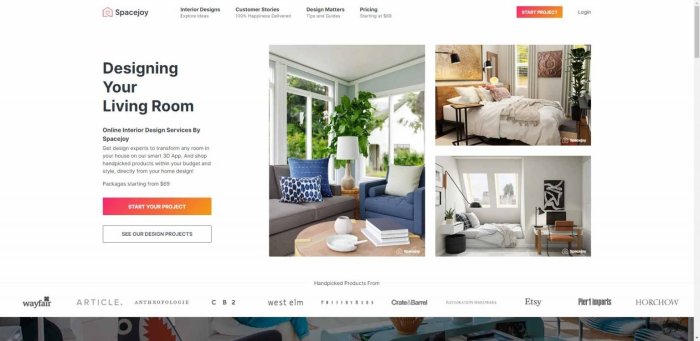
Virtual interior design services involve a series of steps to transform a client's space according to their preferences and needs, all done remotely through digital platforms.
Initial Consultation
During the initial consultation, the designer gathers information about the client's style, budget, and requirements through virtual meetings or questionnaires.
Design Concept Development
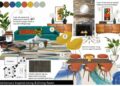
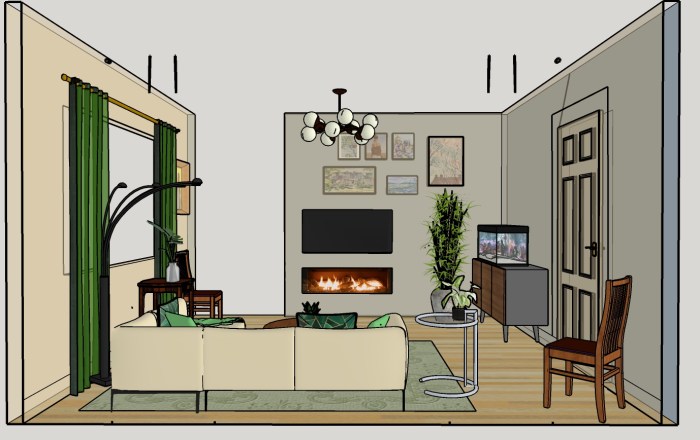
The designer creates a design concept based on the client's inputs, including mood boards, floor plans, and 3D renderings, which are shared virtually for feedback.
Material and Furniture Selection
Clients can choose materials, furniture, and decor items online with the designer's guidance, ensuring the design aligns with their vision.
Virtual Design Presentation
The final design presentation is conducted virtually, showcasing the proposed design elements and layout through virtual tours or detailed presentations.
Revisions and Finalization
Clients can provide feedback on the design presentation, and the designer makes revisions accordingly until the final design is approved and ready for implementation.
Tools and Technologies Used in Virtual Interior Design
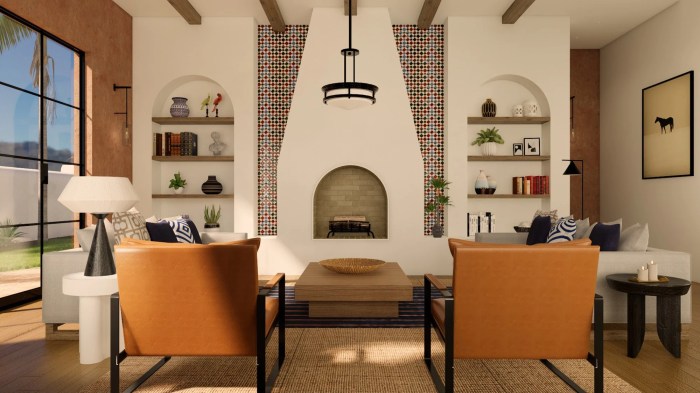
Virtual interior designers utilize a variety of software tools and technologies to bring their designs to life and provide clients with a realistic view of their spaces. These tools range from 3D modeling software to augmented reality (AR) and virtual reality (VR) applications.
Common Software Tools
- AutoCAD: Widely used for creating 2D and 3D models of interior spaces, AutoCAD allows designers to draft layouts and visualize designs in detail.
- SketchUp: Known for its user-friendly interface, SketchUp is popular for creating quick 3D models and visualizations of interior spaces.
- Revit: Particularly useful for building information modeling (BIM), Revit helps designers create detailed 3D models with accurate dimensions and materials.
- Adobe Creative Suite: Programs like Photoshop and Illustrator are essential for creating mood boards, color palettes, and other visual presentations.
Role of AR and VR
Augmented reality (AR) and virtual reality (VR) play a significant role in virtual interior design services by providing clients with immersive experiences. AR allows clients to see virtual furniture and decor overlaid on their actual space through a smartphone or tablet camera, while VR gives clients a full 360-degree view of a virtual room, enabling them to walk through and experience the design firsthand.
3D Modeling and Rendering Software
- 3D modeling software, such as Blender or 3ds Max, helps designers create detailed 3D models of interior spaces, including furniture, lighting, and textures.
- Rendering software like V-Ray or Lumion adds realistic lighting, shadows, and materials to 3D models, enhancing the visual quality of the design and giving clients a more accurate representation of the final space.
Collaborating with Virtual Interior Designers
Collaborating with a virtual interior designer can be a rewarding experience if done effectively
Importance of Clear Communication
- Establish open lines of communication from the start of the project to avoid misunderstandings.
- Be specific about your design preferences, budget constraints, and timeline expectations.
- Provide feedback promptly and openly to ensure the design aligns with your vision.
- Ask questions and seek clarification whenever needed to maintain a clear understanding throughout the project.
Conveying Style Preferences and Design Goals
- Compile visual references such as photos, mood boards, or Pinterest boards that reflect your style and preferences.
- Describe your lifestyle, daily routines, and any specific needs or preferences that should be considered in the design.
- Discuss any existing furniture or decor pieces you want to incorporate into the new design.
- Share any dislikes or design elements you wish to avoid to help the designer tailor the project to your taste.
Budgeting and Cost Considerations
When it comes to virtual interior design services, understanding pricing structures and effectively budgeting for a project are crucial aspects to consider. Here, we will delve into how pricing typically works, how clients can budget efficiently, and ways to maximize the budget when collaborating with a virtual interior designer.
Pricing Structures for Virtual Interior Design Services
- Virtual interior design services often offer different packages with varying levels of customization and services included.
- Some designers may charge a flat fee for a complete design package, while others may charge by the hour or by square footage.
- Additional costs may arise for purchases of furniture, decor items, or any renovations recommended in the design plan.
Budgeting for a Virtual Design Project
- Start by defining your budget based on the scope of the project and your financial capabilities.
- Communicate your budget clearly with the virtual interior designer to ensure they can work within your financial constraints.
- Consider prioritizing where to allocate the budget, such as focusing on key areas or pieces that will have the most impact on the design.
Making the Most of Your Budget
- Be open with the designer about your budget limitations from the beginning to avoid any surprises later on.
- Look for cost-effective alternatives for furniture and decor items without compromising on style and quality.
- Utilize the virtual designer's expertise to suggest creative solutions that fit within your budget while achieving the desired look.
Final Wrap-Up
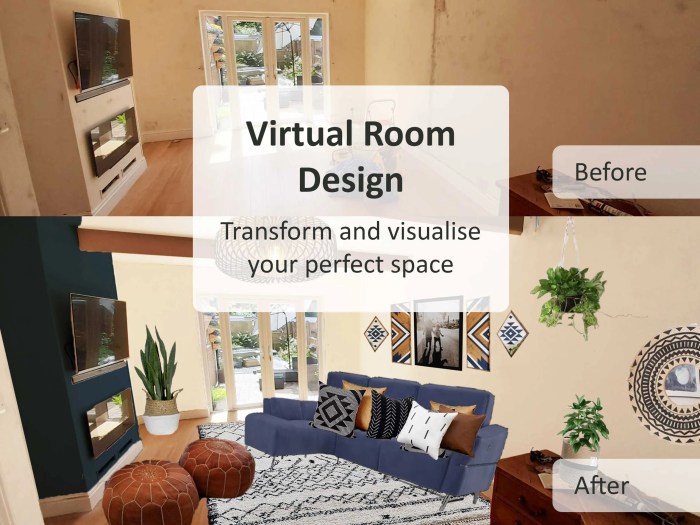
In conclusion, virtual interior design services provide a seamless way to bring your design vision to life, all from the comfort of your home. Embracing technology and creativity, these services offer a personalized and efficient design experience that can elevate any space.
Start your virtual design journey today and watch your dream home come to fruition with the click of a button.
FAQ Insights
How do virtual interior design services differ from traditional services?
Virtual interior design services utilize digital tools and platforms to create designs remotely, offering convenience and accessibility compared to traditional in-person consultations.
What are common software tools used in virtual interior design?
Popular software tools include AutoCAD, SketchUp, and Adobe Photoshop, which enable designers to create and visualize virtual designs efficiently.
How can clients effectively communicate preferences to virtual designers?
Clients can share inspiration boards, color swatches, and detailed descriptions to convey their style preferences and design goals clearly to the designer.
How do pricing structures typically work for virtual interior design services?
Pricing can vary based on the designer's experience and the scope of the project, with some designers offering packages or hourly rates for their services.
What role does augmented reality (AR) play in virtual interior design?
Augmented reality allows clients to visualize how furniture and decor items will look in their space before making purchases, enhancing the design process.